

As healthcare systems continue to evolve, the need for highly trained infection control professionals has never been more critical. Whether in hospitals, long-term care facilities, public health agencies, or community clinics, Infection Prevention and Control (IPAC) experts protect patients, staff, and communities from harmful pathogens. Two titles often discussed in this field, Infection Control Practitioner and Infection Control Preventionist, sound similar but differ in scope, experience, and day-to-day responsibilities.
Through Bay River College’s IPAC program, students explore both roles while gaining the foundational skills needed to enter the field. But understanding the distinctions helps future professionals choose the path that best aligns with their goals.
What’s the Difference Between an Infection Control Practitioner and a Preventionist?
Practitioners lead infection control programs, analyze data, and develop policies, while preventionists focus on hands-on surveillance, daily monitoring, and frontline compliance support within clinical environments. While both roles work to reduce infection risks, let us explore how their functions vary:
Infection Control Practitioner
An infection control practitioner typically holds a senior or intermediate position responsible for designing, implementing, and evaluating infection prevention programs. They review clinical data, analyze outbreak trends, lead audits, and collaborate closely with organizational leadership to improve safety outcomes.
Practitioners often contribute to policy development, lead investigations, and train staff on best practices in accordance with standards from organizations like IPAC Canada, APIC, and CBIC.
Infection Control Preventionist
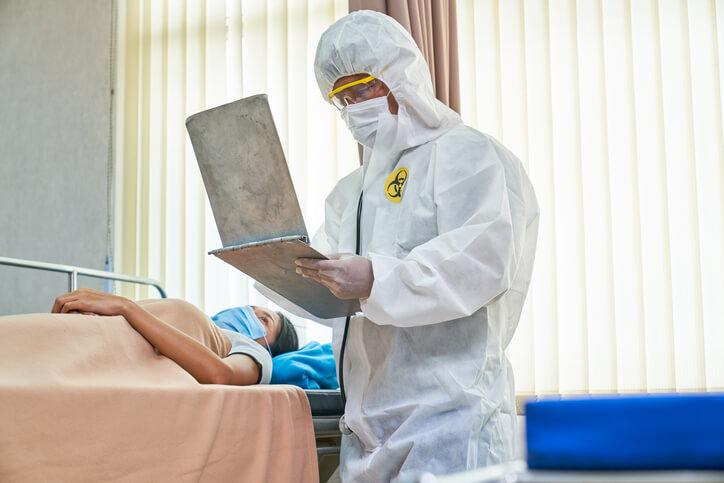
An infection control preventionist focuses more on operational, hands-on prevention activities. They perform surveillance, conduct environmental assessments, monitor compliance (e.g., PPE use, hand hygiene), and support day-to-day outbreak control.
Preventionists work closely with frontline staff, helping bridge clinical practice with infection control guidelines. Their role is essential in ensuring protocols are consistently followed on the unit level.
If you are still exploring the field, our recent post on the importance of infection prevention and control offers deeper insight into the purpose behind both roles.
What Qualifications Are Typically Required?
Both roles benefit from specialized IPAC training, but their qualifications differ slightly.
For Infection Control Practitioners:
- Post-secondary education in healthcare, public health, microbiology, or a related field
- IPAC-specific coursework or diploma
- Experience in a clinical or healthcare environment
- Eligibility for CIC (Certification in Infection Control) after required hours
Their work often involves analysis, research skills, and leadership abilities—areas strengthened through Bay River College’s IPAC program.
For Infection Control Preventionists:
- Certificate or diploma in IPAC
- Background in healthcare support, medical office administration, laboratory work, or public health
- Strong observational, communication, and surveillance skills
Preventionists may enter the field earlier in their careers, making the pathway more accessible for new graduates or those shifting into healthcare.
For more guidance on qualifications, the IPAC program page provides detailed training requirements.
Which Role Works Closest With Clinical Teams?
Both roles collaborate with clinical staff, but preventionists tend to work directly on the unit level, side by side with nurses, care aides, environmental services teams, and frontline workers. Their responsibilities involve real-time observations, assessments, and hands-on coaching during daily operations.
Practitioners, while still interacting with clinical staff, focus more on program evaluation, policy development, and cross-department infection control strategies. They often partner with leadership, quality assurance teams, and public health officials.

Start Your Path in IPAC With Bay River College
Whether you’re drawn to the analytical leadership of an infection control practitioner or the frontline impact of an infection control preventionist, Bay River College offers the training you need to grow in this essential field.
Our career college programs prepare students with practical skills, hands-on learning, and real-world experience to step confidently into IPAC roles. Explore the IPAC program today and take the next step toward a meaningful, in-demand healthcare career.
Would you like to explore programs at our career college?
Contact Bay River College for more information.
Frequently Asked Questions
Question: What’s the difference between a practitioner and a preventionist?
Answer: Practitioners lead infection control programs, analyze data, and develop policies, while preventionists focus on hands-on surveillance, daily monitoring, and frontline compliance support within clinical environments.
Question: What qualifications are typically required?
Answer: Both roles benefit from specialized IPAC training, but their qualifications differ slightly.
Question: Which role works closest with clinical teams?
Answer: Both roles collaborate with clinical staff, but preventionists tend to work directly on the unit level, side by side with nurses, care aides, environmental services teams, and frontline workers. Their responsibilities involve real-time observations, assessments, and hands-on coaching during daily operations.