

Behind every great classroom is a team effort. Teachers may lead instruction, but education assistants provide the day-to-day support that ensures every student has the chance to thrive. Understanding educators’ assistant duties means recognizing the care, patience, and adaptability these professionals bring to their work.
This blog post outlines and explains the role, duties, responsibilities, and qualities of education assistants.
What Are the Roles and Responsibilities of a Teaching Assistant?
At their core, education assistants (EAs) work to support both teachers and students. Their responsibilities vary depending on the classroom, but generally include:
- Supporting student learning: EAs often work one-on-one or in small groups with students who need extra guidance, whether in reading, math, or other subjects.
- Classroom management: They help create a calm, structured learning environment by assisting with routines, transitions, and behavior support.
- Assisting with lesson delivery: From preparing materials to guiding activities, EAs help ensure teachers can focus on instruction.
- Providing individual care: Some students may require personal support, such as help with mobility or communication, which EAs provide with dignity and respect.
These responsibilities reflect the broader duties of an educational assistant: fostering an inclusive environment where students of all abilities can succeed.
Educators’ Assistant Duties: What Does an EA Do in a Classroom?
In the classroom, education assistants are the “bridge builders.” They connect students to learning in ways that cater to their unique needs, while also freeing teachers to focus on leading the class as a whole.
A typical day for an EA might include:
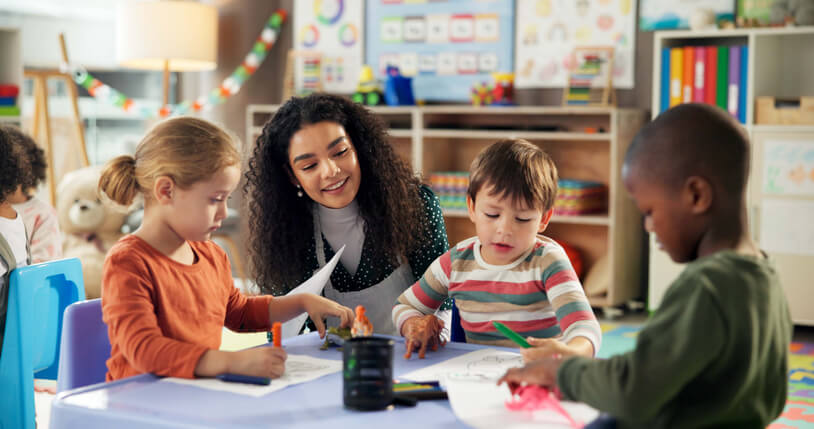
- Sitting beside a student during reading time, offering quiet encouragement.
- Helping a small group with an activity while the teacher works with the rest of the class.
- Redirecting a child who is feeling restless or overwhelmed, ensuring they stay engaged.
- Setting up supplies for the next lesson so transitions are smooth and efficient.
The beauty of this work is its variety, no two days are the same. What remains constant is the impact: EAs help students feel seen, supported, and capable.

What Qualities Do You Need to Be a Teaching Assistant?
A teaching assistant needs patience, empathy, flexibility, teamwork, and strong communication skills to effectively support students and teachers. Let’s explore the role each quality plays:
- Patience: Students learn at different paces, and EAs know how to provide steady encouragement without frustration.
- Empathy: Understanding what a child is feeling and responding with compassion is central to the role.
- Flexibility: Classrooms are dynamic, and EAs need to adapt quickly when plans change or challenges arise.
- Teamwork: Collaborating with teachers, parents, and specialists is part of daily life.
- Strong communication skills: Whether offering instructions to students or sharing observations with teachers, clear communication is key.
These personal qualities turn everyday support into meaningful relationships and measurable student progress.
Education Assistant Training at Bay River College
So, what does an educational assistant do? The answer is simple: they make learning possible for students who need a little extra help. Bay River College’s Education Assistant program equips students with the knowledge, strategies, and real-world training to step into this essential role and execute an educator’s assistant duties with empathy and confidence.
With career-focused instruction and supportive faculty, our program prepares graduates to work effectively alongside teachers, making a difference in classrooms and communities. If you’re ready to explore this path, Bay River College can help you get started.
Would you like to explore programs at our career college?
Contact Bay River College for more information.
Frequently Asked Questions
Question: What are the roles and responsibilities of a teaching assistant?
Answer: At their core, education assistants (EAs) work to support both teachers and students. Their responsibilities vary depending on the classroom.
Question: What does an EA do in a classroom?
Answer: In the classroom, education assistants are the “bridge builders.” They connect students to learning in ways that cater to their unique needs, while also freeing teachers to focus on leading the class as a whole.
Question: What qualities do you need to be a teaching assistant?
Answer: A teaching assistant needs patience, empathy, flexibility, teamwork, and strong communication skills to effectively support students and teachers.