

Choosing the right post-secondary path can feel overwhelming, especially when options appear similar on the surface. Understanding the difference between career college and community college can help clarify which learning environment best supports your goals, timeline, and preferred learning style. While both offer valuable education opportunities, they are designed for different types of students and outcomes.
This distinction matters more than ever as learners increasingly prioritize career readiness, flexible training models, and faster entry into the workforce. Knowing what each option offers can help you make a more confident, informed decision.
What Do You Learn in Career College?
At a career college, learning is highly targeted. Instead of spending semesters on unrelated general education courses, students focus on industry-specific knowledge and hands-on training from the start. Curriculum is often developed in consultation with employers to ensure alignment with current job market demands.
Students may learn technical skills, professional standards, workplace communication, and applied problem-solving relevant to their chosen field. Many programs also include labs, simulations, or practicum-style learning that mirrors real workplace environments. This approach allows graduates to feel confident stepping directly into entry-level roles upon completion.
What’s the Difference Between a Community College and a College?
Community colleges are publicly funded and often offer a mix of academic and technical programs that include both general education and applied learning. Many students attend community college to complete general education requirements, earn associate degrees, or prepare for transfer to a four-year university.
Programs often include a broad range of subjects, and, in many community colleges, students can also choose applied diploma options designed to build practical, work-ready skills.
Career colleges, by contrast, are focused specifically on workforce preparation. So, what are career colleges?
To understand the answer to this question, it helps to know that these institutions specialize in training students for specific careers rather than academic pathways.
Programs are usually shorter, more concentrated, and designed around practical skills employers are actively seeking.
Learning Style and Student Experience
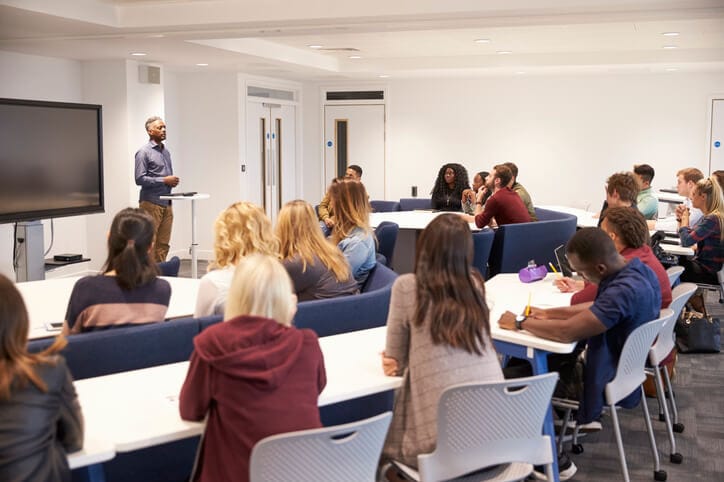
Another key difference lies in the learning environment itself. Career colleges often offer smaller class sizes and a more structured schedule, which can lead to greater instructor access and career college student support. This setup can be especially helpful for students who prefer guided learning and clear expectations.
Community colleges may also include practical training, but they typically require a higher level of self-direction. Students are typically responsible for planning their academic pathway, which can be beneficial for those who enjoy independence but challenging for others.
Is Career College Different From College?
Yes, career college is different from college in both structure and purpose. Traditional colleges, including community colleges, often emphasize academic exploration and long-term degree pathways. Career colleges emphasize speed, skills-focused training, and employability.
Programs at career colleges tend to have structured schedules, smaller class sizes, and a clear start-to-finish roadmap. This can be especially appealing for adult learners, career changers, or students who want a more direct route into the workforce. The goal is not academic transfer, but practical readiness.

Which Option Is Right for You?
The right choice depends on your goals. If you are seeking a broad academic foundation or planning to pursue further university education, a community college may be a good fit. If your priority is gaining job-ready skills quickly and entering a specific field, a career college may better align with your needs.
Understanding the difference between career college and community college empowers you to choose an education path that fits your timeline, learning preferences, and career objectives. Both options serve important roles, but they are not interchangeable.
Making an informed choice now can set the foundation for long-term career satisfaction and success.
Are you ready to take the next step toward a career-focused education?
Explore Bay River College’s industry-driven programs designed to help students gain practical skills, real-world experience, and confidence to enter today’s job market.
FAQs
Q: What do you learn in career college?
A: At a career college, learning is highly targeted. Instead of spending semesters on unrelated general education courses, students focus on industry-specific knowledge and hands-on training from the start.
Q: Is career college different from college?
A: Yes, career college is different from college in both structure and purpose. Traditional colleges, including community colleges, often emphasize academic exploration and long-term degree pathways. Career colleges emphasize speed, skills-focused training, and employability.
Q: What’s the difference between a community college and a college?
A: Community colleges are publicly funded and often offer a mix of academic and technical programs that include both general education and applied learning. Career colleges, by contrast, are focused specifically on workforce preparation.