
TL;DR
Environmental technology careers continue growing across Canada as industries expand environmental compliance, sustainability, monitoring, and infrastructure initiatives. Graduates may pursue roles involving environmental sampling, field inspections, monitoring, remediation support, sustainability programs, and regulatory reporting. Many environmental technology diploma careers focus on practical fieldwork and technician work, while additional specialization can lead to broader opportunities in environmental consulting, infrastructure, clean technology, and public sector operations.
Canada’s environmental sector continues evolving as governments, businesses, and industries place greater focus on sustainability, environmental compliance, clean technology, and resource management. This shift is creating a growing demand for professionals who can support monitoring, testing, field operations, environmental reporting, and regulatory processes.
For students exploring practical science and technology-based career paths, environmental technology careers can offer opportunities across several industries, including environmental consulting, municipal operations, infrastructure, natural resources, energy, and environmental compliance.
According to ECO Canada, Canada’s environmental workforce is projected to require hundreds of thousands of hires by 2033, with Ontario, British Columbia, Alberta, and Quebec expected to experience some of the strongest hiring demand.
For many graduates, technician and technologist roles provide an accessible entry point into this expanding sector.
What Jobs Can You Get With an Environmental Technology Diploma?
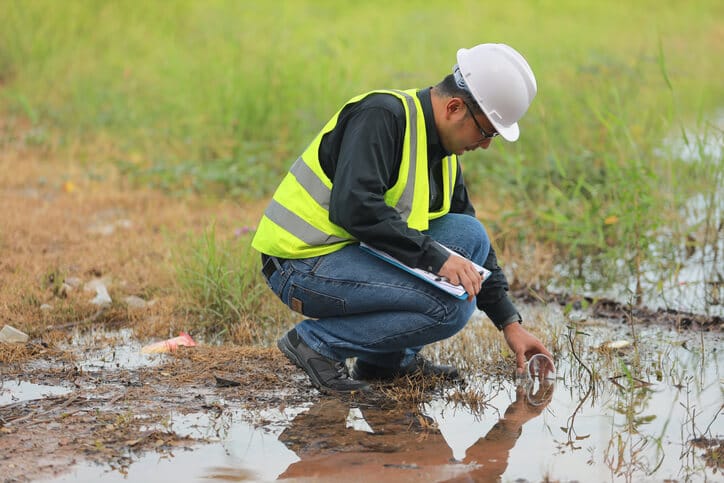
Many environmental technology diploma careers focus on technician-level roles that combine fieldwork, monitoring, sampling, inspections, and environmental reporting.
Graduates may pursue:
- Environmental field technician roles
- Environmental monitoring positions
- Site assessment support work
- Water and soil sampling positions
- Environmental compliance support
- Waste management operations
- Sustainability support roles
- Remediation project assistance
Many environmental technician jobs involve outdoor work at industrial sites, construction projects, municipal facilities, or natural environments. Others may combine fieldwork with office-based reporting and data analysis responsibilities.
Students interested in learning more about the Environmental Technician Career Path in Canada can explore how technician roles may evolve with additional experience and specialization.
Is Environmental Technology a Good Career in Canada?
For many students interested in environmental science, sustainability, infrastructure, and field operations, environmental technology careers can provide strong long-term opportunities.
Several factors continue to support demand across Canada, including:
- Environmental regulations
- Climate and sustainability initiatives
- Infrastructure development
- Water and wastewater management
- Environmental remediation projects
- Resource and energy sector monitoring
- Industrial compliance requirements
The environmental sector also spans both public and private industries, creating opportunities in consulting firms, municipal governments, utilities, construction, transportation, manufacturing, and environmental agencies.
Job Bank data reports a median Canadian wage of approximately C$33.89 per hour for environmental technicians and technologists. More specialized environmental roles may offer higher earning potential depending on education level, technical specialization, and industry experience.
As the industry evolves, environmental science technician careers continue benefiting from growing interest in sustainability and environmental responsibility across Canada.
What Industries Hire Environmental Technicians?
One advantage of environmental technician job opportunities is the wide range of industries involved in environmental work.
Environmental technicians may find opportunities in:
- Environmental consulting firms
- Municipal governments
- Water and wastewater operations
- Construction and infrastructure projects
- Mining and resource industries
- Energy and utilities
- Manufacturing facilities
- Environmental remediation companies
- Public administration
- Clean technology sectors
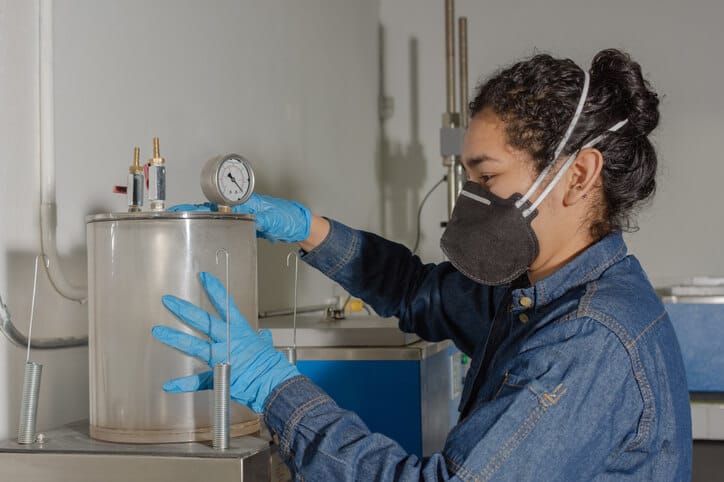
Many organizations rely on environmental technicians to help monitor environmental conditions, collect samples, support reporting requirements, and assist with regulatory compliance activities.
Students interested in practical, hands-on science work may find environmental monitoring careers especially appealing because they often involve both field and technical responsibilities.
What Skills Do Environmental Technicians Need?
Success in environmental technology careers often depends on a combination of technical knowledge, field readiness, communication abilities, and problem-solving skills.
Important skills may include:
- Environmental sampling techniques
- Data collection and reporting
- Attention to detail
- Communication skills
- Technical documentation
- Field safety awareness
- Environmental regulations knowledge
- Team collaboration
- Equipment operation and calibration
Technicians frequently work in changing environments, including outdoor locations, industrial facilities, and active project sites. Adaptability and organization are, therefore, important qualities in many environmental roles.
What Are Career Colleges? Discover how career-focused diploma programs emphasize practical training designed to prepare students for industry-specific roles.

Environmental Technology Careers in Canada: Salary Expectations and Growth
Salary levels within environmental technology careers can vary depending on experience, location, certifications, employer type, and technical specialization.
Environmental technician and technologist roles may involve:
- Entry-level fieldwork positions
- Monitoring and compliance work
- Technical reporting responsibilities
- Site inspection support
- Specialized environmental testing
As professionals gain experience, some may move into:
- Senior technician roles
- Project coordination
- Environmental consulting
- Sustainability program support
- Regulatory compliance positions
Canada’s growing focus on environmental sustainability, infrastructure modernization, and climate-related initiatives may continue supporting long-term demand for environmental professionals across multiple sectors.
Are you looking for a comprehensive Applied Environmental Technology Diploma Program?
Contact Bay River College for more information.
Key Takeaways
- Environmental technology careers continue growing across Canada in both public and private sectors
- Many environmental technology diploma careers involve fieldwork, monitoring, sampling, and compliance support
- Industries hiring environmental technicians include consulting, infrastructure, utilities, government, and manufacturing
- Practical technical skills and field readiness are important for environmental technician jobs
- Environmental diploma programs can help students prepare for a variety of environmental monitoring careers
FAQ
What jobs can you get with an environmental technology diploma?
Graduates may pursue environmental field technician, monitoring, compliance support, remediation, sampling, and sustainability-related roles across several industries.
Is environmental technology a good career in Canada?
Yes. Canada’s environmental sector continues to grow as industries expand sustainability initiatives, infrastructure projects, and environmental compliance efforts.
What industries hire environmental technicians?
Environmental technicians may work in consulting, municipal government, water treatment, construction, energy, manufacturing, remediation, and environmental services.
What skills do environmental technicians need?
Important skills include sampling techniques, data collection, communication, technical reporting, environmental regulations knowledge, and field safety awareness.
What is the salary of environmental technicians in Canada?
Job Bank reports a median wage of approximately C$33.89 per hour for environmental technicians and technologists in Canada, although wages vary by location and specialization.