
TL;DR
Infection prevention in healthcare settings reduces healthcare-associated infections, protects healthcare professionals, and strengthens patient safety measures. Facilities that implement standard precautions, enforce hygiene and sanitation protocols, and invest in infection control training create safer care environments and reduce preventable harm.
Healthcare facilities are designed to restore health. However, without structured infection prevention systems, they can also become environments where pathogens spread.
Infection prevention refers to coordinated policies, procedures, and training programs that limit the transmission of infectious agents in healthcare settings. From hospitals to long-term care centres, consistent healthcare-associated infection prevention plays a direct role in improving outcomes, reducing complications, and protecting staff.
When facilities commit to strong infection prevention frameworks, patient safety improves across the board.
What Are the Core Principles of Infection Prevention in Healthcare?
Effective infection prevention is proactive rather than reactive.
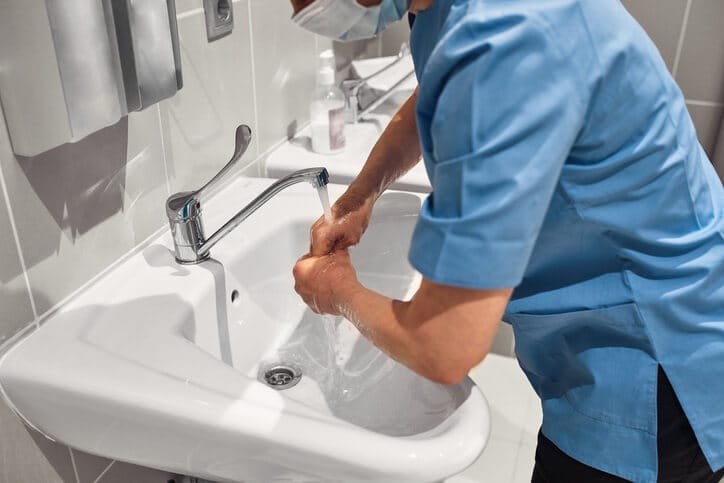
Standard precautions form the first line of defence. These include proper hand hygiene, appropriate use of personal protective equipment, safe injection practices, respiratory etiquette, and careful handling of contaminated materials. These measures apply to every patient interaction, regardless of diagnosis.
Hygiene and sanitation protocols are equally critical. Routine surface disinfection, sterilization of instruments, waste management systems, and isolation procedures prevent cross-contamination within facilities. When these protocols are consistent and monitored, healthcare-associated infection prevention efforts become significantly stronger.
Surveillance systems also support infection prevention strategies. Monitoring infection trends, conducting audits, and reviewing compliance data allow facilities to identify risks early and adjust policies accordingly.
Together, these principles create structured protection for patients and staff.

Why Is Infection Prevention Essential for Patient Safety Measures?
Patients receiving care are often at their most vulnerable. Individuals recovering from surgery, managing chronic illness, undergoing chemotherapy, or living with compromised immune systems face a significantly higher risk of infection. Even routine procedures can introduce exposure if proper safeguards are not in place.
Strong patient safety measures anchored in infection prevention reduce the likelihood of healthcare-associated infections, shorten hospital stays, and decrease the risk of readmissions. Preventing infection not only protects patients from complications such as sepsis or delayed healing, but it also reduces emotional stress and financial strain associated with prolonged treatment.
Infection prevention also safeguards healthcare professionals. Nurses, physicians, and support staff encounter potential exposure daily. Without structured hygiene and sanitation protocols, the risk of transmission increases across departments.
According to Health Canada, healthcare-associated infections remain a national concern. Facilities that invest in infection control training and enforce evidence-based prevention strategies are better positioned to limit preventable harm. Infection prevention is therefore not a secondary consideration; it is foundational to healthcare quality and system-wide safety.
How Do Infection Control Practitioners Support Healthcare Facilities?
Infection control practitioners are responsible for implementing and strengthening infection prevention systems.
They develop policies, conduct compliance audits, train healthcare staff, and investigate potential outbreaks. Their expertise ensures hygiene and sanitation protocols align with current regulatory standards and evidence-based practices.
At Bay River College, students enrolled in the IPAC program endorsed by IPAC Canada prepare for these responsibilities through structured coursework and applied training. The program is designed to equip graduates with the practical knowledge needed to support healthcare-associated infections prevention in real-world settings.
Healthcare programs at Bay River College focus on career-ready skills and professional competency, helping students transition into essential healthcare roles.
What Training Is Required for Infection Prevention Roles?
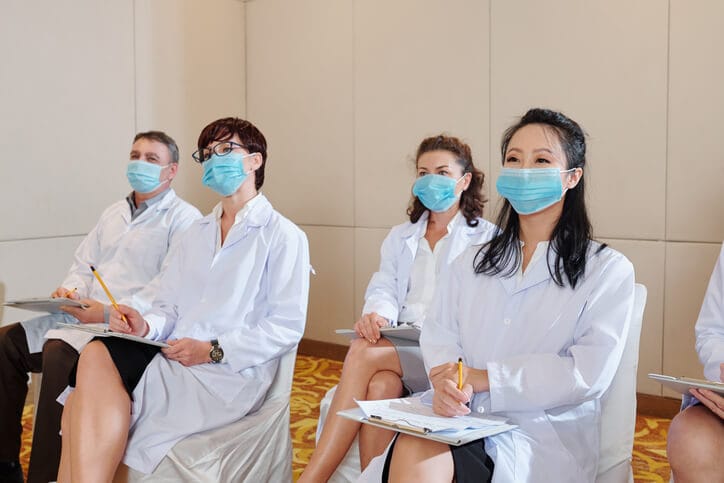
Professionals pursuing infection prevention careers typically complete formal infection control training covering microbiology, epidemiology, sterilization standards, and regulatory compliance.
Training emphasizes both theory and application. Understanding transmission patterns, outbreak management, and risk assessment strategies ensures professionals can respond effectively in complex environments.
Continuous professional development is also important. Infection prevention standards evolve alongside emerging health threats, requiring practitioners to remain current and informed.
Would you like to explore programs at our career college?
Contact Bay River College for more information.
Key Takeaways
- Infection prevention is foundational to patient safety in healthcare settings.
- Standard precautions and sanitation protocols reduce healthcare-associated infections.
- Ongoing infection control training strengthens compliance and operational safety.
- Infection control practitioners play a critical role in monitoring, education, and outbreak response.
- Structured education programs prepare professionals for essential infection prevention roles.
FAQ
What training is required for infection prevention roles?
Infection prevention roles typically require formal infection control training covering microbiology, epidemiology, sanitation procedures, and healthcare regulations. Certification may be required depending on the position.
Why is infection prevention important in hospitals?
Infection prevention reduces healthcare-associated infections, protects vulnerable patients, and safeguards healthcare workers. It directly improves patient safety and overall care quality.
What are standard precautions for healthcare workers?
Standard precautions include hand hygiene, proper use of personal protective equipment, safe injection practices, respiratory hygiene, and environmental cleaning measures applied to all patient interactions.
How do infection control practitioners support patient safety?
They develop infection prevention policies, train staff, monitor infection trends, conduct audits, and ensure regulatory compliance to reduce transmission risks.