

TL;DR
Developing strong medical office administration skills is essential for success in healthcare settings. Employers look for a combination of communication, organization, technical knowledge, and professionalism to ensure efficient clinic operations and positive patient experiences.
Healthcare facilities rely on efficient administrative support to function smoothly. Medical office administrators are often the first point of contact for patients and play a critical role in keeping clinics organized and responsive.
Understanding which medical office administration skills employers value most can help you prepare for this career and stand out in the job market. From managing patient records to coordinating appointments, these professionals must balance multiple responsibilities with accuracy and care.
If you’re new to the field, it helps to first understand what a Medical Office Administrator does and how these responsibilities translate into real-world skills.
Communication Skills in Healthcare Settings
Is communication important for medical office administrators? Communication is one of the most essential healthcare administrative skills. Medical office administrators interact with patients, doctors, nurses, and insurance providers on a daily basis.
Clear and professional communication ensures that patient information is accurately recorded, appointments are scheduled correctly, and instructions are properly understood. Strong interpersonal skills also help create a welcoming environment for patients, which is especially important in healthcare settings where individuals may feel anxious or stressed.
Effective communication supports both patient satisfaction and overall clinic efficiency.
Organizational and Time Management Skills
Healthcare environments can be fast-paced, requiring strong organizational abilities. One of the most important medical office admin competencies is the ability to manage multiple tasks without errors.
Medical office administrators handle appointment scheduling, patient records, billing, and coordination between departments. Keeping these processes organized ensures that clinics run smoothly and patients receive timely care.
Time management also plays a major role. Prioritizing tasks and handling unexpected changes, such as last-minute cancellations or urgent appointments, is part of the daily routine.
Technical and Computer Skills
What computer skills do medical office administrators use? Modern healthcare relies heavily on digital systems. Medical office administrators must be comfortable using electronic medical records (EMR) systems, scheduling software, and billing platforms.
Basic computer skills such as data entry, document management, and communication through email systems are essential. Familiarity with healthcare-specific software improves efficiency and reduces the risk of errors.
According to the Government of Canada Job Bank, digital literacy is a key requirement for administrative roles in healthcare.
Knowledge of Medical Terminology and Procedures
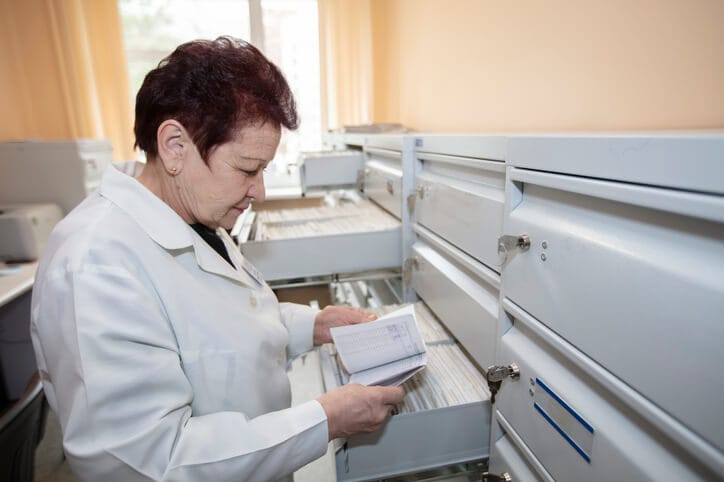
Do medical office administrators need medical knowledge? While medical office administrators are not responsible for clinical tasks, a basic understanding of medical terminology is important.
This knowledge helps with scheduling appointments, processing documentation, and communicating effectively with healthcare professionals. It also ensures accuracy when handling patient records and insurance claims.
Building this foundation is often part of formal training programs and helps professionals perform their roles more confidently.
Attention to Detail and Accuracy
Accuracy is critical in healthcare environments. Even small errors in patient records, billing information, or appointment scheduling can lead to significant issues.
Strong attention to detail ensures that information is recorded correctly and processes are completed without mistakes. This skill is especially important when handling confidential patient data and complying with privacy regulations.
Employers value candidates who can maintain high standards of accuracy under pressure. Programs such as the Unit Clerk & Medical Office Administration Program at Bay River College provide practical knowledge in scheduling, medical terminology, and healthcare systems.
Professionalism and Patient Care
Medical office administrators represent the front line of healthcare services. Professionalism is essential in maintaining patient trust and ensuring a positive experience.
This includes maintaining confidentiality, showing empathy, and handling sensitive situations with care. Patients often rely on administrative staff for guidance, making professionalism a key part of daily responsibilities.
Developing these medical office administrator skills helps create a supportive and efficient healthcare environment.
How to Improve Your Medical Office Administration Skills
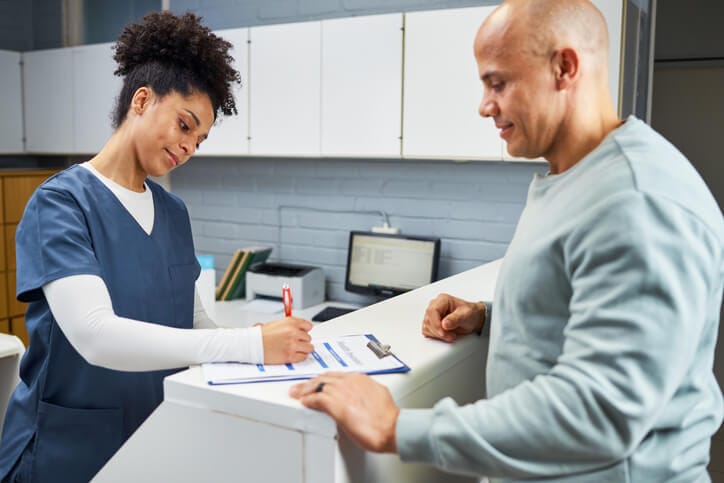
How can I improve my medical office administration skills? The best way to build strong medical office administration skills is through structured training and hands-on experience. You can also strengthen your skills by learning about career pathways through resources like How to Become a Medical Office Administrator. Continuous learning and practice are key to staying competitive in this field.
Are you looking for a comprehensive Unit Clerk & Medical Office Administration Program?
Contact Bay River College for more information.
Key Takeaways
Strong medical office administration skills are essential for managing healthcare environments effectively. Employers look for communication, organization, technical proficiency, and attention to detail.
These healthcare administrative skills help ensure smooth operations, accurate record-keeping, and positive patient experiences. With the right training and experience, you can build a rewarding career in medical office administration.
FAQ
Is communication important for medical office administrators?
Yes, communication is essential for interacting with patients, healthcare professionals, and administrative teams.
What computer skills do medical office administrators use?
They use electronic medical records systems, scheduling software, and general office applications.
Do medical office administrators need medical knowledge?
Basic medical terminology is important for handling documentation and communicating within healthcare settings.
How can I improve my medical office administration skills?
You can improve your skills through training programs, hands-on experience, and continuous learning.
What skills do medical office administrators need?
They need communication, organization, technical, and interpersonal skills to manage administrative tasks effectively.