

TL;DR
The retail vs hospital pharmacy assistant comparison mainly comes down to environment and responsibilities. Retail pharmacy assistants typically help customers, process prescriptions, and manage pharmacy inventory. Hospital pharmacy assistants work behind the scenes, preparing medications, supporting pharmacists, and ensuring accurate medication distribution for patients. Both roles require strong attention to detail, communication skills, and pharmacy knowledge.
Pharmacy assistants play an important role in supporting pharmacists and ensuring patients receive medications safely and efficiently. However, the daily responsibilities of a pharmacy assistant can vary significantly depending on where they work.
When comparing retail vs hospital pharmacy assistant roles, the primary difference lies in the work environment and the type of responsibilities involved. Retail pharmacy assistants interact directly with customers, while hospital pharmacy assistants focus more on clinical support and medication preparation within healthcare facilities.
Understanding these differences can help students and aspiring professionals choose the pharmacy career path that best matches their interests and skills.
What Do Retail Pharmacy Assistant Responsibilities Typically Include?
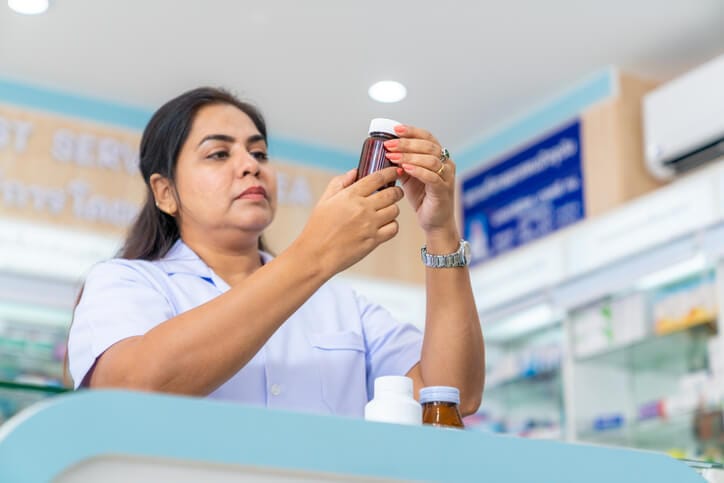
Retail pharmacy assistants usually work in community pharmacies located inside drugstores, grocery stores, or standalone pharmacy locations. In these settings, assistants interact frequently with customers and patients. Their work often includes processing prescriptions, answering basic customer questions, and supporting pharmacists during busy periods.
Typical retail pharmacy assistant responsibilities may include assisting with prescription intake, managing inventory, processing insurance information, and maintaining organized medication storage. Because retail pharmacies serve the general public, strong customer service skills are essential.
Retail environments also move quickly. Pharmacy assistants often help manage multiple tasks at once while ensuring prescriptions are handled accurately and efficiently. For a detailed overview of pharmacy assistant duties, check out our blog post on What Does a Pharmacy Assistant Do?
What Does the Hospital Pharmacy Assistant Role Involve?
The hospital pharmacy assistant role is often more clinically focused. Instead of interacting directly with customers, hospital pharmacy assistants support pharmacists and healthcare teams behind the scenes.
Their work may include preparing medications for hospital departments, packaging and labelling prescriptions, managing medication distribution systems, and maintaining sterile preparation areas.
Hospital pharmacy assistants must follow strict safety and regulatory protocols. Accuracy is critical because medications are often prepared for patients with complex health conditions. Unlike retail environments, hospital pharmacy assistants typically collaborate closely with doctors, nurses, and pharmacists to ensure medications reach patients safely.
Retail vs Hospital Pharmacy Assistant: What Is the Difference?
The biggest difference between pharmacy assistant hospital duties and retail pharmacy work lies in the pace and structure of the environment. Retail pharmacies are customer-facing and service-driven. Assistants help patients directly, handle payments, and provide general support at the pharmacy counter.
Hospital pharmacies operate within healthcare facilities and are more process-oriented. Pharmacy assistants focus on preparing medications, managing hospital medication inventory systems, and supporting clinical pharmacy services.
What skills are required for hospital pharmacy assistants? Both roles require attention to detail and knowledge of medications, but hospital pharmacy environments often emphasize procedural accuracy and collaboration with healthcare teams.
To succeed in either environment, pharmacy assistants must develop strong professional skills. This guide outlines the Essential Skills for Pharmacy Assistants.

Which Pharmacy Assistant Role Is Right for You?
Choosing between retail and hospital pharmacy settings depends on your interests and preferred work environment.
Some professionals enjoy retail pharmacy because it involves customer interaction and fast-paced service. Others prefer hospital pharmacy roles because they focus more on clinical processes and teamwork within healthcare systems.
Both pathways offer valuable experience and career growth opportunities within the pharmaceutical and healthcare sectors. Training programs can help prepare students for both environments by teaching medication handling procedures, pharmacy regulations, and patient safety practices.
Are you looking for a comprehensive Pharmacy Assistant Diploma Program?
Contact Bay River College for more information.
Key Takeaways
- The retail vs hospital pharmacy assistant comparison mainly involves work environment and daily responsibilities.
- Retail pharmacy assistants interact directly with customers and support prescription processing.
- Hospital pharmacy assistants focus on medication preparation and clinical pharmacy support.
- Both roles require attention to detail, communication skills, and pharmacy knowledge.
- Training programs can prepare students to work in both retail and hospital pharmacy settings.
FAQ
What skills are required for hospital pharmacy assistants?
Both roles require attention to detail and knowledge of medications, but hospital pharmacy environments often emphasize procedural accuracy and collaboration with healthcare teams.
Is hospital pharmacy assistant work different from retail?
The biggest difference between pharmacy assistant hospital duties and retail pharmacy work lies in the pace and structure of the environment. Retail pharmacies are customer-facing and service-driven. Assistants help patients directly, handle payments, and provide general support at the pharmacy counter.
What is the difference between hospital and retail pharmacy assistants?
Retail pharmacy assistants interact with customers, process prescriptions, and support pharmacists in community pharmacies. Hospital pharmacy assistants work within healthcare facilities, preparing medications and supporting clinical pharmacy operations.
Do pharmacy assistants work in hospitals?
Yes. Many pharmacy assistants work in hospitals where they support pharmacists by preparing medications, organizing drug inventory, and helping manage medication distribution systems.
Which pharmacy assistant job pays more?
Pay varies depending on location and experience, but hospital pharmacy assistants may sometimes earn higher wages due to the specialized nature of hospital pharmacy work.