
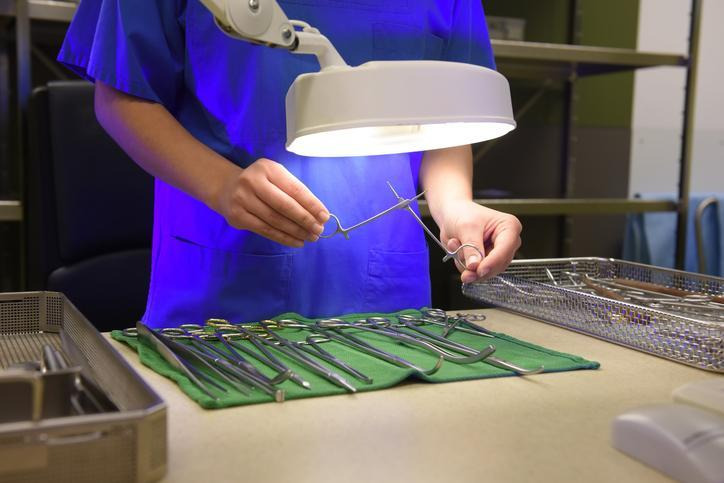
In Brief: What Does a Medical Device Reprocessing Technician Do?
A medical device reprocessing technician cleans, disinfects, inspects, assembles, sterilizes, packages, and stores reusable medical instruments. These technicians follow carefully controlled procedures to prepare equipment for safe reuse in hospitals, surgical centres, clinics, and other healthcare environments.
Behind every successful surgery or medical procedure is a team of professionals working to keep patients safe. While doctors and nurses are often the most visible members of that team, many essential healthcare roles happen behind the scenes.
One of these is the medical device reprocessing technician. These professionals help ensure that reusable medical instruments are safe for patient care by following carefully controlled cleaning and sterilization procedures. Whether working in hospitals, surgical centres, or specialized clinics, they contribute directly to infection prevention and quality patient care.
What Does a Medical Device Reprocessing Technician Do?
A medical device reprocessing technician is responsible for preparing reusable medical equipment for safe use after each procedure. Their work involves much more than sterilization alone.
Typical medical device reprocessing technician duties include:
- Receiving used instruments
- Cleaning and decontaminating equipment
- Inspecting instruments for damage or wear
- Assembling instrument sets
- Packaging equipment for sterilization
- Operating sterilization equipment
- Storing sterile supplies correctly
- Distributing instruments throughout healthcare facilities
Every task follows detailed protocols designed to minimize contamination and support patient safety.
Where Do Medical Device Reprocessing Technicians Work?
A sterile processing technician may work in many different healthcare environments.
Common workplaces include:
- Hospitals
- Surgical centres
- Outpatient clinics
- Dental clinics
- Endoscopy units
- Specialized healthcare facilities
Because every healthcare organization depends on properly sterilized equipment, trained technicians continue to play an important role across many settings.
Students enrolled in Bay River College’s IPAC Medical Device Reprocessing Program prepare for these environments by learning current industry standards and best practices.
The Medical Device Reprocessing Cycle, Step by Step
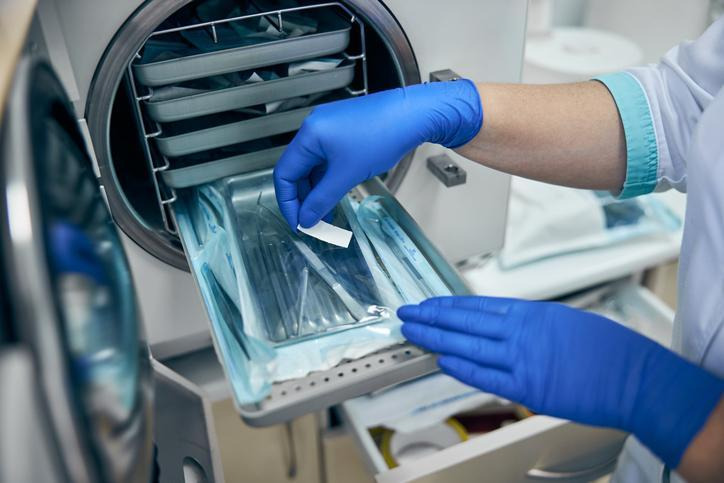
The medical device reprocessing cycle follows a structured sequence designed to ensure instruments are safe for reuse.
Receiving and Sorting
Used instruments arrive from treatment areas and are carefully sorted according to manufacturer instructions and reprocessing requirements.
Cleaning and Decontamination
Visible soil, blood, and biological material are removed using manual cleaning methods, ultrasonic cleaners, washer-disinfectors, or other approved equipment before medical instrument sterilization begins.
Inspection and Assembly
Each instrument is examined for cleanliness, damage, corrosion, and proper function. Instruments are then assembled into procedure-specific trays or sets.
Packaging
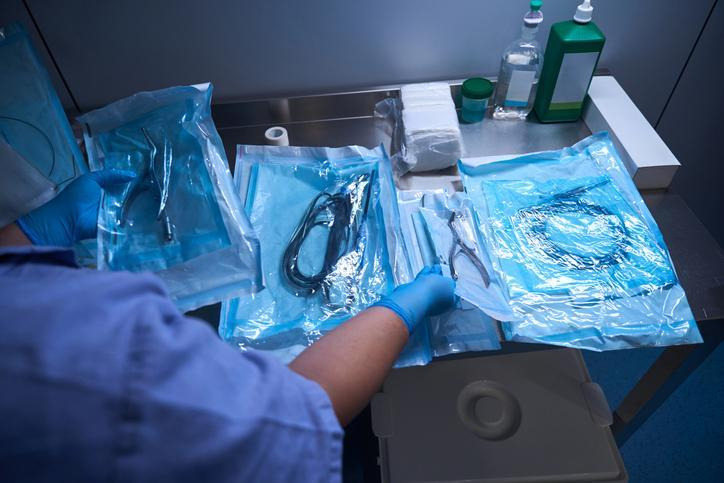
Clean instruments are packaged using approved materials that maintain sterility after processing while allowing sterilizing agents to penetrate effectively.
Sterilization
Appropriate sterilization methods, often steam sterilization, are selected according to the manufacturer’s instructions and the type of instrument being processed.
Storage and Distribution
Once sterilized, instruments are stored in controlled environments until they are needed for patient care. Proper handling helps maintain sterility throughout storage and transportation.
What Equipment Do Reprocessing Technicians Use?
A typical workday may involve using a variety of specialized equipment, including:
- Washer-disinfectors
- Ultrasonic cleaners
- Steam sterilizers (autoclaves)
- Drying cabinets
- Inspection lights and magnifiers
- Heat sealers
- Biological and chemical monitoring systems
Learning how to operate this equipment correctly is an important part of professional training.
How Does Medical Device Reprocessing Support Infection Prevention?
Every stage of reprocessing contributes to infection prevention. Proper cleaning removes contaminants that can interfere with sterilization, while validated sterilization procedures destroy microorganisms that could otherwise be transmitted between patients.
This is why healthcare organizations place such strong emphasis on the importance of infection prevention and control. Medical device reprocessing is one of the key systems supporting safe patient care.
What Skills Are Important in Medical Device Reprocessing?
Successful technicians combine technical knowledge with strong organizational skills.
Important abilities include:
- Attention to detail
- Time management
- Communication
- Manual dexterity
- Problem-solving
- Ability to follow standardized procedures
- Commitment to quality and safety
Because patient safety depends on accuracy, consistency is essential throughout every stage of the process.
What Training May Be Required?
Most employers prefer candidates who have completed specialized education in infection prevention and medical device reprocessing.
Programs such as Bay River College’s Infection Prevention and Control Program provide students with foundational knowledge of infection prevention principles, while dedicated medical device reprocessing programs develop practical skills used in healthcare facilities.
Hands-on learning helps students understand both the technical procedures and the importance of maintaining quality standards.
Is Medical Device Reprocessing a Good Fit for You?
An MDR technician career may appeal to individuals who enjoy structured work, value precision, and want to contribute directly to patient safety without providing direct bedside care.
Although patients may never meet the professionals responsible for preparing surgical instruments, their work has a significant impact on every successful procedure. For people who appreciate meaningful work, teamwork, and healthcare environments, medical device reprocessing can offer a rewarding career path.
Are you looking for a comprehensive Infection Prevention and Control Program?
Contact Bay River College for more information.
Key Takeaways
- A medical device reprocessing technician prepares reusable medical instruments for safe patient care.
- The medical device reprocessing cycle includes cleaning, inspection, packaging, sterilization, storage, and distribution.
- Medical instrument sterilization is one part of a larger quality-controlled reprocessing process.
- Medical device reprocessing plays a critical role in infection prevention across healthcare settings.
- Specialized education helps prepare students for an MDR technician career in hospitals, surgical centres, and clinics.
FAQ
What does a medical device reprocessing technician do?
A medical device reprocessing technician cleans, inspects, assembles, sterilizes, packages, stores, and distributes reusable medical instruments while following strict infection prevention procedures.
What is the medical device reprocessing cycle?
The medical device reprocessing cycle includes receiving, cleaning, inspection, assembly, packaging, sterilization, storage, and distribution of reusable medical devices.
Where do medical device reprocessing technicians work?
They commonly work in hospitals, surgical centres, outpatient clinics, dental clinics, and other healthcare facilities that use reusable medical equipment.
Is medical device reprocessing the same as sterile processing?
Yes. The terms medical device reprocessing technician and sterile processing technician are often used interchangeably to describe professionals responsible for preparing reusable medical instruments for safe patient care.
What skills does a medical device reprocessing technician need?
Attention to detail, organization, communication, manual dexterity, problem-solving, and a strong commitment to following infection prevention procedures are all important skills.