
In Brief: Environmental Sampling Chain of Custody
- Environmental sampling chain of custody creates a documented record of sample collection and transfer.
- Labels connect each container to information such as its sample ID, location, collection date, and time.
- Preservation requirements vary according to the sample, analyte, and analytical method.
- QA/QC samples such as field blanks and duplicates help identify contamination or assess precision.
- Good laboratory results depend partly on careful work before the sample ever reaches the laboratory.
A groundwater sample may spend only minutes being collected, but what happens next can determine whether its laboratory result is useful.
Was the correct bottle used? Was the sample properly identified? Was it preserved as required? Who handled it between the field and laboratory?
These questions illustrate why environmental sampling chain of custody and quality assurance matter. For students interested in environmental fieldwork, following a sample from collection to analysis shows that trustworthy data starts long before laboratory equipment produces a number.
What Is Environmental Sampling Chain of Custody?
What is chain of custody in environmental sampling? Chain of custody is the documented process used to track an environmental sample from collection through transfer, transport, laboratory receipt, and subsequent handling.
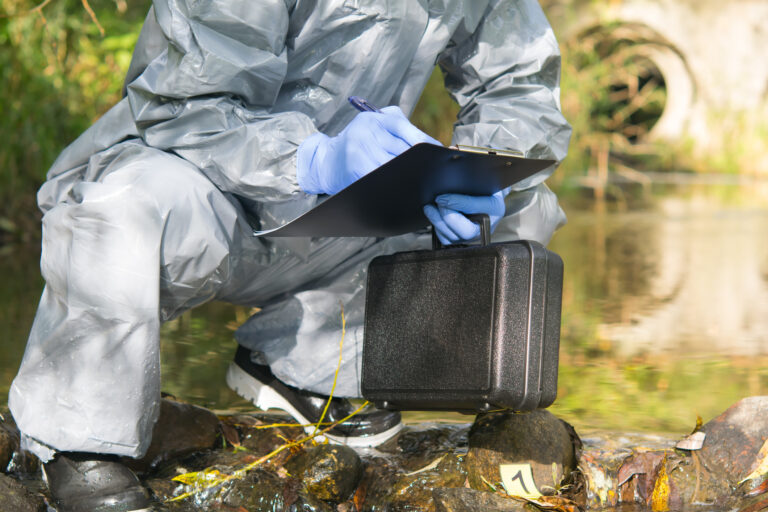
Imagine a technician conducting soil and water sampling during a site investigation. Collecting the material is only the first step. The sample must remain clearly identifiable as it passes from the field team to a courier or laboratory.
Good documentation creates traceability. The laboratory result can be connected back to the correct sample and sampling location. Decisions based on environmental results require confidence that the result actually belongs to the sample described in the field record.
What Information Is Recorded On A Chain-Of-Custody Form?
The exact format varies, but documentation commonly identifies samples and records collection and handling information needed to maintain traceability.
Field records can include:
- Unique sample identification
- Sampling location
- Collection date and time
- Sample type or matrix
- Requested analyses
- Preservation information
- Name or initials of the sampler
- Transfer or relinquishment details
Alberta’s water-sampling guidance, for example, identifies sample ID, location, date, time, sample type, preservation method, sampler, and relevant field observations among useful information to document.
Accuracy matters. If a container says one thing and the accompanying records say another, uncertainty has already been introduced before analysis begins.
Why Must Environmental Samples Be Labelled And Preserved?
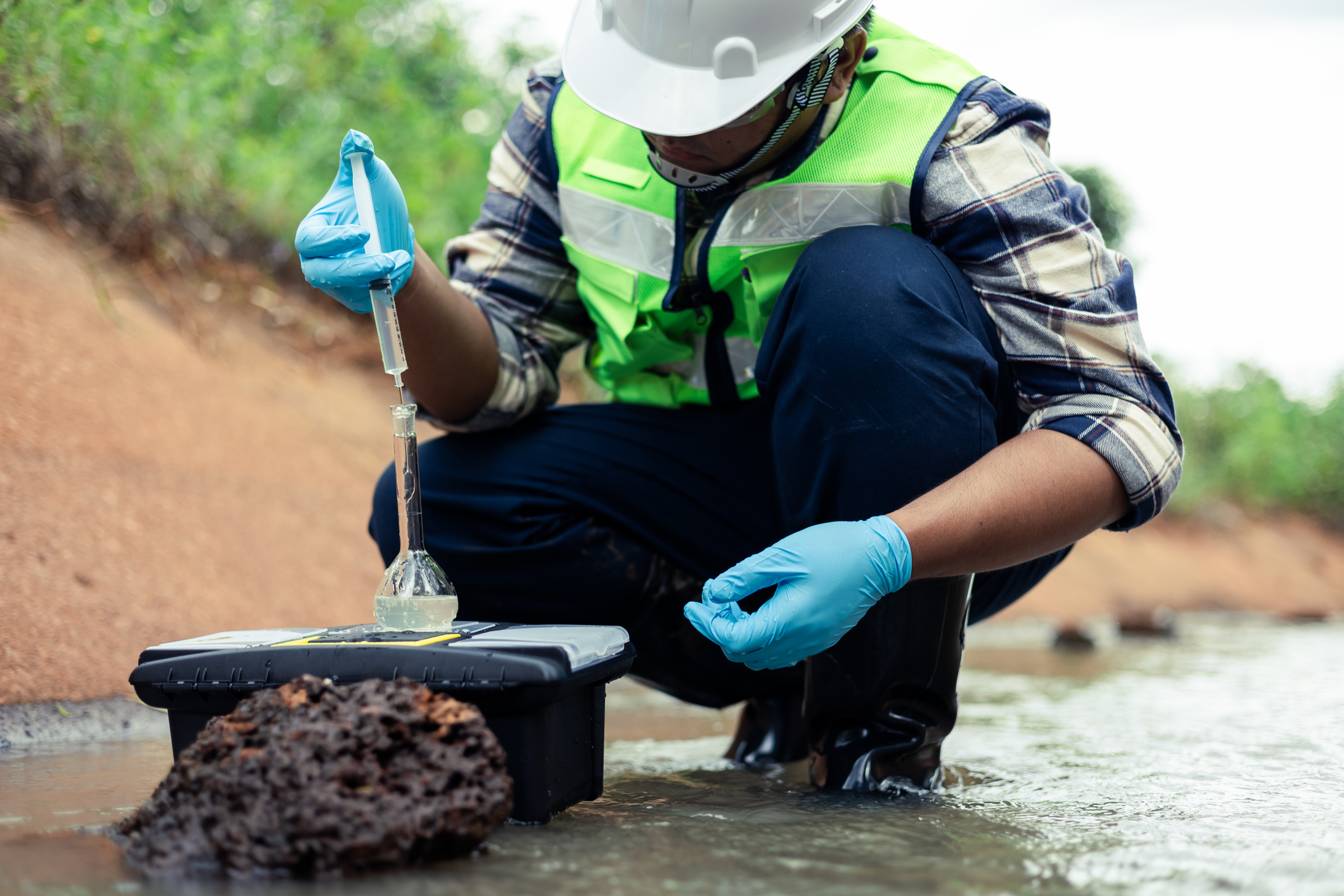
Sample preservation and labelling help maintain sample identity and reduce changes that could make laboratory results less representative of conditions at the time of collection.
Water is not chemically frozen in time once it enters a bottle. Alberta guidance notes that physical, chemical, and biological processes can begin changing a water sample after collection. Depending on the analysis, preservation may involve cooling, chemical preservatives, light protection, particular containers, or other requirements. Holding times also vary by analyte and analytical method.
That makes following the specified environmental sampling procedures essential.
Labelling solves a different but equally important problem: identity. Even a perfectly preserved sample has limited value if nobody can confidently determine where or when it was collected.
Would you like to know what happens during an environmental site assessment? Get a closer look at the process in our guide.
What Is QA/QC In Environmental Sampling?
Quality assurance and quality control, or QA/QC, use planned procedures and checks to help determine whether environmental data meets established quality requirements. QA is the broader system for defining and managing quality. QC includes specific checks used to evaluate how well sampling and analysis performed.
In environmental field sampling, these checks can include duplicates and different types of blanks. Laboratories also use their own controls, including method blanks, laboratory control samples, duplicates, matrix spikes, and other checks depending on the analytical method.
CCME guidance recommends field QC because the laboratory cannot see everything that happened before a sample arrived.
This attention to field procedures, documentation, and data quality is part of the practical perspective students can develop in Bay River College’s Applied Environmental Technology Diploma. Students also develop accomplished GIS and remote-sensing skills in environmental technology.

What is the difference between a field blank and a duplicate sample?
A field blank helps identify contamination introduced by field conditions, while a duplicate helps evaluate the precision of sampling and analysis.
CCME describes a field blank as a clean sample exposed to sampling conditions so that possible artifacts from the surrounding environment can be detected. A field duplicate involves samples collected using the same sampling procedure and submitted for comparison.
If an analyte unexpectedly appears in a blank, that may raise a contamination question. If duplicate results differ substantially, investigators may need to consider sampling variability, sample heterogeneity, or analytical precision.
Neither QC sample exists simply to generate another laboratory number. Each helps environmental professionals judge how much confidence they can place in the data.
That is the larger lesson for future environmental technicians: reliable environmental results are built through a sequence of careful decisions, from the moment a sample is collected until the final data is reviewed.
Are you looking for a comprehensive Applied Environmental Technology Diploma program?
Contact Bay River College for more information.
Key Takeaways
- Chain of custody maintains traceability from field collection through laboratory handling.
- Sample preservation and labelling protect sample integrity and identity.
- Preservation requirements depend on the analyte, matrix, method, and laboratory instructions.
- Field blanks can help identify contamination introduced during fieldwork.
- Duplicate samples provide information about sampling and analytical precision.
- High-quality environmental data begins with disciplined field practices.
FAQ
What is chain of custody in environmental sampling?
It is the documented process used to track a sample from collection through transfers, transportation, laboratory receipt, and handling so its identity and history remain traceable.
What information is recorded on a chain-of-custody form?
Records commonly include sample identifiers, collection location, date and time, sample type, requested analyses, preservation details, and information documenting who collected and transferred the samples.
Why must environmental samples be labelled and preserved?
Labelling maintains sample identity, while appropriate preservation helps limit physical, chemical, or biological changes that could affect laboratory results.
What is QA/QC in environmental sampling?
QA/QC combines planned quality procedures with specific checks used to evaluate whether sampling and analytical data meet established quality requirements.
What is the difference between a field blank and a duplicate sample?
A field blank helps detect contamination introduced by field conditions. A duplicate provides a second comparable sample that helps evaluate sampling and analytical precision.